

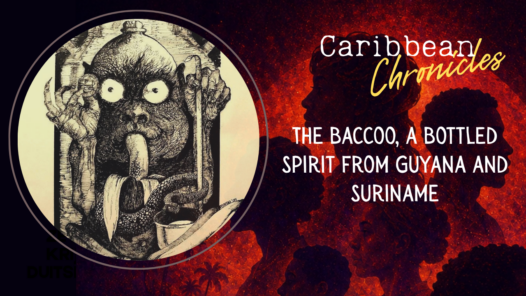
In early 2018, police in Mabaruma, Guyana, were looking into a young woman’s claim that something was coming for her at night. Then bricks began hitting the police station, and nobody knew who was throwing them, but the town had its own explanation:...
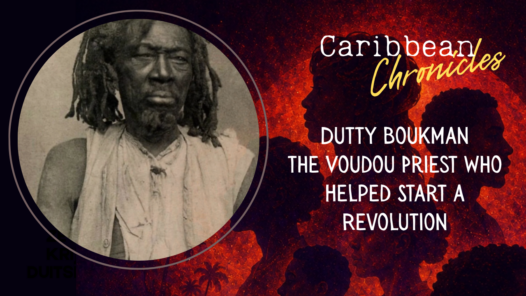
On the night of August 22nd, 1791, a plantation director in Saint-Domingue is woken by a gunshot, a barking dog, and voices at his door. When he asks who is there, the answer comes back in two words: it is death. Dutty Boukman was an enslaved man...
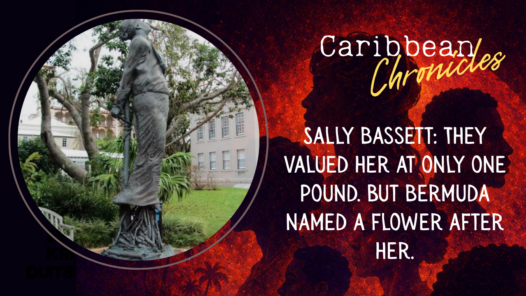
In June 1730, an elderly enslaved woman named Sally Bassett was burned alive at a crossroads in Bermuda, accused of telling her granddaughter to poison the family that enslaved them. She was old, valued at barely a pound, and already marked as...
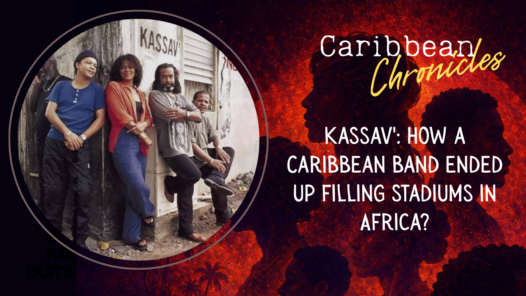
In 1979, a group of musicians from Guadeloupe and Martinique living in Paris decided to stop making music that sounded like one island, and start making something that belonged to the whole French Caribbean at once. They called it zouk. They called...
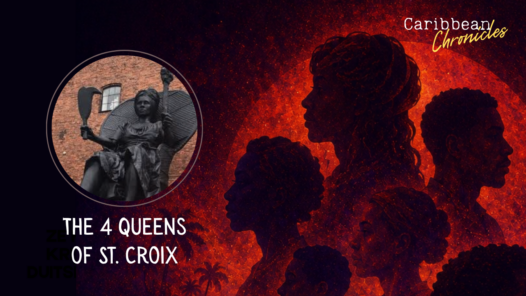
On October 1st 1878, the one day of the year when plantation workers on St. Croix were allowed to push back on their conditions, a rumor swept through the crowd in Frederiksted. Within hours the town was burning. Within two weeks, fifty plantations...
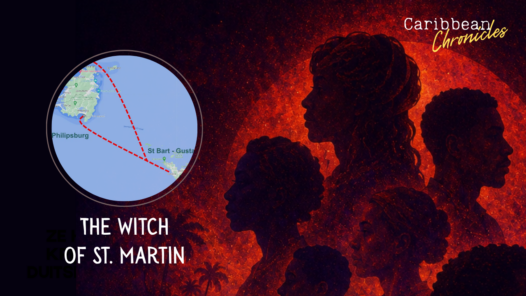
In 1806, a man named Bernard Lion crossed the water from St. Barthélemy to St. Martin to find a woman named Rosalie. His enslaved workers kept dying and nobody could tell him why. Rosalie looked into a cheap paper mirror and told him exactly who was...
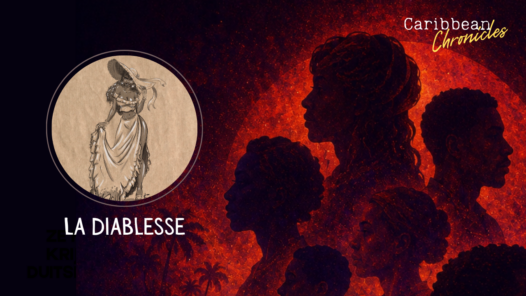
Across Martinique, Trinidad, Grenada, Saint Lucia and Dominica, people tell stories about a woman in a red dress who appears on the road at night. Beautiful, unhurried, and dangerous. One foot is a hoof. La Diablesse has been travelling these...
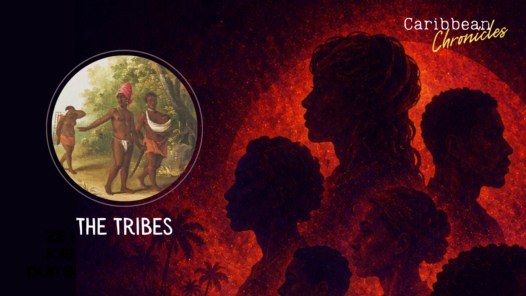
If you grew up Caribbean you have probably heard the names. Taíno, Arawak, Carib, Kalinago. Maybe you know exactly who was where. Maybe, like me, it got confusing at some point. This episode is me figuring it out, island by island, from the Bahamas...
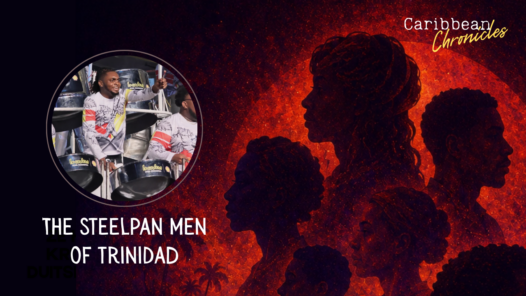
In Trinidad, every time Black people built something of their own, the colonial authorities found a reason to take it. First the drums. Then the bamboo. So people picked up whatever was left: biscuit tins, paint cans, oil drums discarded by the...
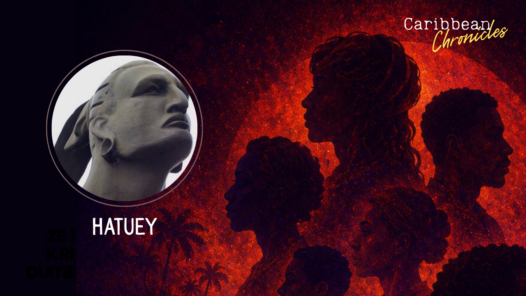
Hatuey was a Taíno cacique from Hispaniola who had watched the Spanish destroy everything around him. Before they reached Cuba, he got there first. He gathered the people and told them exactly what was coming and why. Most of them did not believe...